
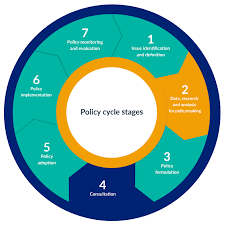
This course introduces and outlines the building blocks of PMSD: (i) public policy, policymaking, and public-private intersections (iii) economic strategies and systems and (iii) patterns of social development. It will draw upon developments and processes across much of the globe including China, the Americas, and Denmark. The first section of the course introduces core concepts in policymaking including the policy cycle, processes of policy transfer and adaptation, the concepts of policy regimes, path dependence and embeddedness. The second section surveys different economic strategies, global economic relations and trade-offs. It pays particular attention to the history and use of developmentalism (or industrial policy), public-private interactions and the debates around globalization and “deglobalization” processes. The third section of the course considers different approaches to social development including public-private partnerships and the nurturing of entrepreneurship.

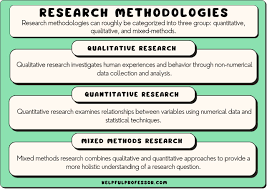
The aim of this course is to introduce and explore different theoretical frameworks that can be used in studying policymaking processes. These will include rational choice, historical institutionalism, and multiple streams analysis. Students will be encouraged to assess the ways in which these different approaches can and should be operationalized. Within this overall context, the course will consider policymaking processes in different settings and the implications of particular policies for firms, groupings and individuals. The course will draw upon case-studies of policy formulation, development and implementation with reference to the countries of east Asia, Europe and the United States.